Download a free printable 4th grade fruit reading comprehension - set 1 for 4th Grade. Students read a short themed passage, answer comprehension questions, and practice finding details, sequence, and meaning in text. This worksheet is for Grade 4 learners and gives focused practice with reading comprehension with vocabulary words with vocabulary practice. Parents and teachers can use it for a quick lesson follow-up, homework, small-group review, or independent practice. The standard printable math layout keeps the work organized so students can focus on grade-level math practice, accuracy, and confidence without extra distractions.
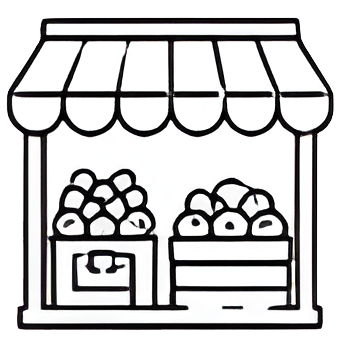
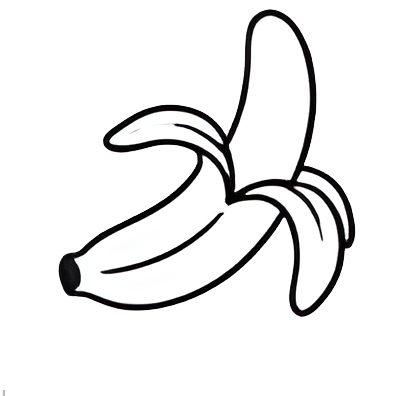
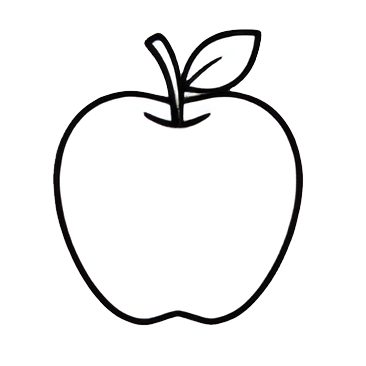
Leo went to the market with his dad to help shop for fruit. He carefully chose bananas and grapes because they looked fresh and bright. Dad added an apple to the bag so the family would have enough for later in the week. Leo carried the bag home and felt proud that he had helped with the shopping. The short trip showed him that even a small chore can be important.
Section A: Read and Think
What is the setting of the passage?
a market
a library
a dog park
a cave
Section B: True or False
Write True or False on the lines.
1.Leo visited the market with his dad.
2.Leo picked bananas and grapes.
3.Leo carried the fruit in a bag.
4.Leo bought snow for lunch.
Section C: Check the Correct Boxes
What did Leo choose at the market? Check the correct boxes.
banana
grapes
apple
bag
Section D: Put the Story in Order
Put the story in order. Write 1, 2, 3, and 4 in the boxes.
Leo went to the market with his dad.
Leo chose bananas and grapes.
Dad added an apple to the bag.
Leo carried the fruit home proudly.
About This Worksheet
This free printable worksheet helps 4th grade learners practice reading skills using vocabulary words. The worksheet also gives adults a simple way to see whether a student understands the skill before moving to harder problems. The activity is designed for simple print-and-use practice. Students can complete the page independently, then review mistakes and talk through any tricky steps.
What Students Practice
Skill Focus
This worksheet focuses on reading practice with vocabulary words. It gives students a clear way to review the skill, build accuracy, and prepare for related math topics.
How to Use This Worksheet
This worksheet works well as a short practice page rather than a long test. Ask students to work neatly and check one row before moving to the next. Keep the focus on accuracy first, then use another worksheet later if the student needs more speed or confidence.
Ways to Use This Worksheet
For parents
Use it as short extra practice at home when your child needs more confidence with reading. One page at a time is usually enough for focused review.
For teachers
Print it for morning work, math centers, small-group review, homework, or a quick skill check for 4th grade students.
For homeschool
Pair the worksheet with a short lesson, manipulatives, or a whiteboard example, then save the answer key for easy checking.
Frequently Asked Questions
What grade is this worksheet best for?
This worksheet is designed for Grade 4 students. It can also be used for review, extra practice, homeschool lessons, or support when a student needs more time with reading.
Can I print this worksheet for classroom use?
Yes. You can print this worksheet for classroom practice, homeschool lessons, tutoring, homework, or extra review.
How should students check their work?
Students should review each problem carefully, look for place value or fact mistakes, and correct missed answers before moving on to a harder worksheet.
Download a free printable 4th grade science vocabulary matching - set 1 for 4th Grade. Students match science words to pictures to build vocabulary, word recognition, and visual language connections.
Download a free printable 4th grade science vocabulary matching - set 2 for 4th Grade. Students match science words to pictures to build vocabulary, word recognition, and visual language connections.
Download a free printable 4th grade science vocabulary matching - set 3 for 4th Grade. Students match science words to pictures to build vocabulary, word recognition, and visual language connections.